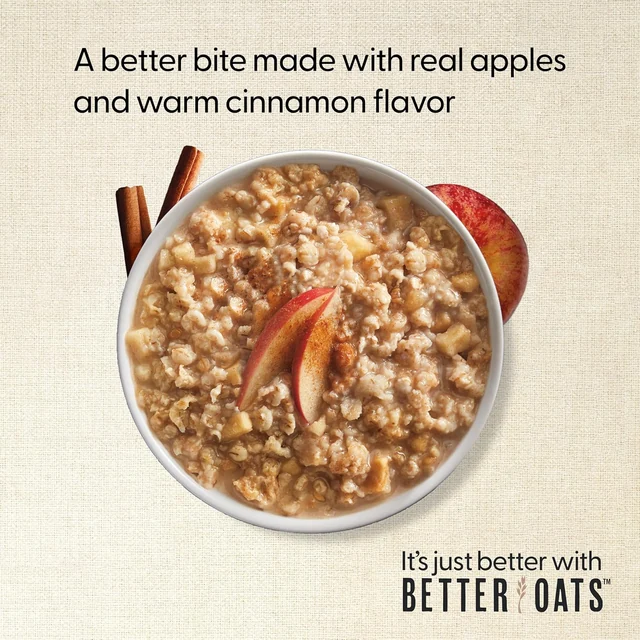
A different topping can make a familiar packet feel like a different breakfast. Start with a Better Oats flavor you enjoy, add one fresh or creamy element, and finish with a little crunch if you want it. You can make a varied week from a short shopping list.
The ideas below are serving suggestions for the cooked oatmeal, not changes to the packet's microwave directions. Prepare the oats according to your own package first. Then add the finishing ingredients in amounts that suit your appetite and taste. That keeps the base predictable while leaving room to use a ripe pear, the last spoonful of yogurt, or a handful of nuts already in the cupboard.
Build around the flavor already in the pouch
A flavored packet arrives with part of the work done. Maple & Brown Sugar has a different starting point from Original, and Apples & Cinnamon brings another direction again. Before reaching for a topping, taste a spoonful of the cooked oats once it has cooled enough. You might want contrast, a little extra texture, or nothing at all. A topping should add something you enjoy rather than cover the entire bowl automatically.
Think in small choices. Fruit can bring freshness, nuts can provide crunch, and yogurt can add a cool, creamy finish. You do not need all of them every day. A bowl with three generous toppings can become a very different breakfast from a plain packet, and it may take more preparation than you intended. Start with one useful addition and see whether the result already feels complete.
For the 100 Calorie varieties, remember that the range name describes the packet serving. Toppings add their own energy and nutrients. Choose them according to what you want to eat rather than assuming the finished bowl remains the same as the oats alone. If a particular ingredient or allergen matters to you, check both the oatmeal package and the labels of any additions.
A simple flavor pairing table
| Oatmeal base | Fresh or creamy addition | Optional finish |
|---|---|---|
| Steel Cut Original | Blueberries and plain yogurt | Chopped walnuts |
| Steel Cut Maple & Brown Sugar | Sliced banana | A small spoonful of peanut butter |
| Steel Cut Apples & Cinnamon | Thin pear slices | Chopped pecans |
| 100 Calorie Maple & Brown Sugar | Plain yogurt | A pinch of cinnamon |
| 100 Calorie Cinnamon Roll | Raspberries | Unsweetened shredded coconut |
| 100 Calorie Apples & Cinnamon | Diced fresh apple | Pumpkin seeds |
Use the table as a starting point rather than a rule. If pears are underripe but bananas are ready, change the fruit. If you do not enjoy yogurt, leave it out or serve a different accompaniment beside the oats. The useful skill is noticing what each ingredient contributes. Once you understand that, a missing topping becomes an easy substitution instead of a reason to abandon breakfast.
Keep optional finishes modest at first. A spoonful of a strongly flavored ingredient can go a long way, especially when the packet already has a sweet or spiced profile. Stir it through only if you want that flavor in every bite. Leaving a little on the surface creates contrast and lets you decide how much to take with each spoonful.
Blueberry and yogurt with Steel Cut Original
Steel Cut Original gives this bowl an uncomplicated oat base. Prepare one pouch following the package, then let it cool enough to eat comfortably. Spoon a little plain yogurt to one side and add a handful of washed blueberries. Finish with chopped walnuts if you enjoy crunch. Keeping the yogurt partly separate preserves a cool contrast instead of making the entire bowl uniform.
Blueberries are convenient because they require little cutting, but they are not the only suitable fruit. Halved strawberries or a sliced plum can fill the same role. Choose fruit you like eating on its own; the oatmeal does not need to disguise it. If you use frozen fruit, prepare it according to its package directions before adding it, rather than assuming every frozen product is ready to eat directly.
This is a useful combination for a slower morning because you can arrange the toppings while the oats cool. On a busy day, put the same fruit and yogurt in a small dish beside the oatmeal. The flavors still work together, and there is no need to decorate the bowl. A breakfast can be enjoyable without looking like a photograph every time you make it.
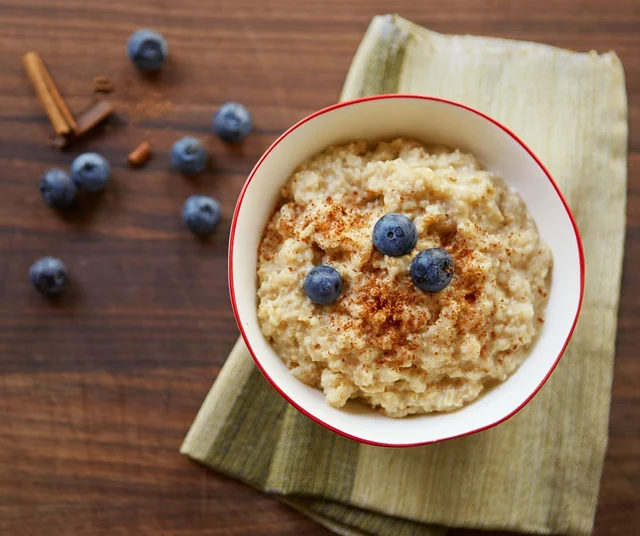
Banana and peanut butter with maple oats
A ripe banana is an easy companion to Steel Cut Maple & Brown Sugar. Slice part of the banana over the cooked oats and add a small spoonful of peanut butter. The banana contributes a soft texture; the peanut butter brings a stronger roasted flavor. Start with less peanut butter than you think you need, then add more if the balance suits you.
To distribute peanut butter evenly, stir a little into a spoonful of warm oatmeal first, then fold that mixture back through the bowl. If you would rather keep distinct flavors, leave it in a small swirl on top. Both approaches are useful, but they create different spoonfuls. A thick layer spread across the entire surface can dominate the oats, so give the packet's maple flavor some room.
For a household that avoids peanuts, choose an appropriate alternative after reading its label, or simply omit the spread. Chopped nuts and seed butters also have their own flavors and allergen considerations; they are not automatic equivalents for everyone. Banana alone is enough to change the bowl. You can serve another food alongside it if that better suits the breakfast you had in mind.
Pear and pecan with Apples & Cinnamon
Steel Cut Apples & Cinnamon already contains apple pieces, so pear adds a related fruit flavor without repeating the same texture exactly. Slice a ripe pear thinly and place a few pieces over the cooked oats. Add chopped pecans just before eating. Their crunch sits well beside the warm, soft fruit flavor in the packet and the more distinct steel cut oat pieces.
The ripeness of the pear changes the result. A firm pear gives a crisp bite, while a soft one blends more readily into the oatmeal. Neither needs to be treated as the only correct choice. Cut the slices small enough that you can take a little fruit and oats in the same spoonful. Large decorative slices may look attractive, but they can be awkward to eat from a small bowl.
If you have cooked pears or apples from another meal, a spoonful can work too, provided they have been stored safely. Taste before adding extra sweet ingredients because the packet and the prepared fruit may already supply plenty of flavor. This bowl is particularly easy to vary with the seasons: use the fruit that is ready, and keep the oat preparation itself unchanged.
Raspberries with Cinnamon Roll oatmeal
The bright flavor of raspberries offers a useful contrast to 100 Calorie Cinnamon Roll. Prepare the packet as directed, then add washed raspberries after cooking. Crush a few lightly with the spoon if you want their juice to mingle with the oats, and leave the rest whole. The mixture of soft berries and intact fruit gives you variation without needing several different toppings.
A small sprinkle of unsweetened shredded coconut is an optional finish. It adds another texture, so begin with a little rather than turning the bowl into mostly coconut. If you prefer something creamier, choose a spoonful of plain yogurt instead. You do not need both additions. Think about which difference you want from the base: a cool spoonful, a fruity contrast, or a little chew.
Raspberries can be delicate, so use them while they are in good condition and follow storage guidance. Do not buy a large amount solely for one oatmeal idea if you will not use the rest. Strawberries or another fruit you already enjoy may be a more practical purchase. A repeatable breakfast works with your normal shopping habits rather than creating a collection of ingredients you struggle to finish.
Fresh apple and pumpkin seeds
For a bowl with a little more crunch, finish 100 Calorie Apples & Cinnamon with finely diced fresh apple and a modest sprinkle of pumpkin seeds. Cut the apple into small pieces so the raw fruit is easy to combine with the softer cooked oats. Add the seeds at the end. Keeping them on the surface preserves more of their contrast than stirring them in early.
Choose an apple you enjoy eating raw. A tart variety produces a different balance from a very sweet one, and either can be pleasant depending on your taste. You can leave the peel on after washing if that is how you prefer to eat the apple. The goal is a comfortable spoonful, so the size of the dice often matters more than an elaborate arrangement.
If cutting fruit feels like one task too many, eat the apple separately and finish the oats with seeds alone. That keeps the same ingredients in breakfast while changing the preparation effort. Small adjustments like this make a plan easier to follow. You are choosing a morning meal, not completing a recipe that fails unless every ingredient appears in one bowl.
A quieter maple bowl with yogurt
100 Calorie Maple & Brown Sugar needs very little to become a different breakfast. Cook the packet with its stated water amount, let it cool, and add a spoonful of plain yogurt. A small pinch of cinnamon is optional. Taste before adding it, because you may prefer the packet's existing flavor with only the creamy contrast.
This is a useful approach when the refrigerator is nearly empty or you want to avoid opening several packages. There is no fruit to chop and no reason to add a topping simply to fill the surface. Put the yogurt beside the oats if you dislike mixing temperatures. You can alternate spoonfuls instead. The same foods can suit different preferences with almost no extra work.
Use the yogurt's own storage instructions, and return the container to the refrigerator promptly. If you choose a flavored yogurt, expect it to change the sweetness and flavor of the bowl more than a plain version would. Start with a smaller spoonful in that case. A strong topping is easier to add gradually than to balance after it has been stirred through everything.
Cocoa and banana for an Original bowl
For a different direction, begin with Steel Cut Original and add banana with a little unsweetened cocoa. Cocoa can clump when scattered directly over a wet surface, so mix a small pinch into a spoonful of the cooked oatmeal first. Fold that back into the bowl, taste, and decide whether you want more. This is a flavor suggestion rather than a measured dessert recipe.
The banana provides a softer, sweeter contrast to cocoa's stronger flavor. Slice it over the top or mash a little into the oats, depending on the texture you enjoy. If the bowl becomes thicker after additions, stir in a small splash of liquid. Keep the changes gradual so you can stop when the consistency and flavor suit you. There is no benefit in adding more simply because an ingredient is available.
A few chopped nuts can finish the bowl, but they are optional. If you already like the banana and cocoa together, leave the combination there. This approach works especially well when you want variety from the same Original pack over several mornings. The base remains familiar while the finishing ingredients change its character without requiring a new cooking routine.
Try a savory direction with Original
Original is the sensible place to begin if you want to explore a savory oat bowl. Prepare the packet as directed, then add a small amount of cooked vegetables you enjoy, such as mushrooms or spinach, and a little grated cheese if it suits your diet. Use vegetables that are already properly cooked and safely stored. The oats provide the base; the topping supplies the savory character.
Start with a restrained amount of seasoning and taste before adding more. Salt may already be present in the packet or in cheese and other toppings. A savory bowl does not need to become a large mixed dish. One vegetable and one finishing ingredient can be enough to see whether you enjoy the idea. Keep the familiar packet method while trying the new flavor combination.
Flavored maple or cinnamon packets are less straightforward starting points for this experiment because they bring their own sweet flavor profile. You may enjoy unusual combinations, but Original makes it easier to understand the result. If savory oats are not for you, return to fruit or enjoy the pouch plain. Trying one small bowl is a more useful way to decide than committing an entire week's breakfast to it.
Plan a week with a short ingredient list
| Day | Base | Finish | Preparation shortcut |
|---|---|---|---|
| Monday | Original | Blueberries and yogurt | Use fruit that needs no cutting |
| Tuesday | Maple & Brown Sugar | Banana | Slice while the oats cool |
| Wednesday | Apples & Cinnamon | Pear and pecans | Keep nuts ready in a closed container |
| Thursday | Cinnamon Roll | Raspberries | Leave some berries whole |
| Friday | 100 Calorie Maple & Brown Sugar | Plain yogurt | Use just one addition |
| Saturday | Original | Banana and cocoa | Mix cocoa into a spoonful first |
| Sunday | Your favorite | The fruit ready to eat | Use what you already have |
The table offers variety, but you do not need to buy every flavor. Choose two bases you enjoy and repeat them with different finishes. Original and one flavored packet provide plenty of room to change the bowl. If you already have a favorite range, stay within it. The plan should reduce decisions on busy mornings, not create a new shopping requirement for every day of the week.
Look at the fruit you have before deciding the order. Delicate ripe fruit may belong early in the week, while something firmer can wait according to its storage needs. You can move a bowl from Thursday to Monday without changing the idea. A flexible plan uses what is ready and keeps breakfast appealing rather than making you ignore good fruit because it is assigned to another day.
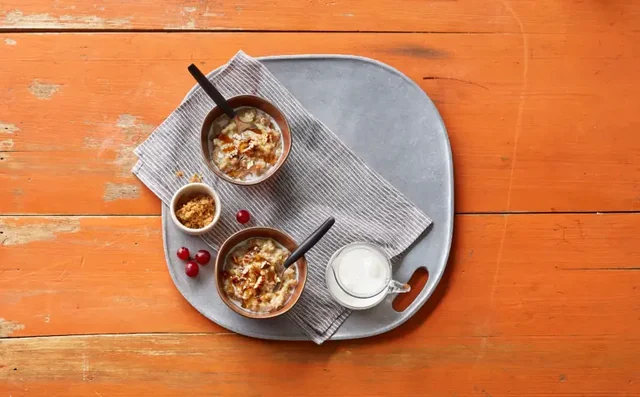
Set up a small breakfast shelf
Put the oatmeal boxes where you can read their full names. Group Steel Cut and 100 Calorie separately if you use both, because the cooking methods differ. Keep a suitable bowl and spoon easy to reach, and store dry toppings in closed, labeled containers. You do not need matching jars. Clear labels and sensible storage are more useful than a perfectly styled pantry.
A short list of favorite additions can be enough: one type of nut or seed, a spice you enjoy, and whatever fruit you normally buy. Perishable ingredients belong in the refrigerator as directed, not on the breakfast shelf. If other people share the pantry, preserve allergen and ingredient labels. A jar that looks attractive but hides important information can make a shared kitchen less convenient.
Keep the packet directions available when you decant pouches into a basket. A plain pouch and a flavored one should remain easy to distinguish. The cooking guide can help compare water amounts, but the delivered package takes priority. Organizing the ingredients is helpful only if it makes the actual preparation clearer.
Make the amount work for your breakfast
A topping idea does not prescribe how much you should eat. Start with a small amount and decide whether the bowl needs more. A little chopped nut can add texture without covering the oats completely. A few fruit slices can provide contrast while leaving part of the oatmeal plain. Smaller additions also make it easier to understand which flavor combinations you enjoy.
If you want a more substantial breakfast, consider the whole meal rather than continually adding ingredients to one bowl. You might prefer a packet with fruit on the side, or oatmeal alongside another food you enjoy. The arrangement can be simpler to eat and easier to adjust for different appetites. A bowl does not have to carry every part of breakfast just because it is the first thing you prepare.
When a topping does not work, notice the specific problem. Was it too sweet, too thick, too crunchy, or simply too much? Change that detail next time. You may like the same combination with half the topping, with the yogurt on the side, or with a different fruit. A useful preference is more precise than deciding that every bowl with that ingredient will be the same.
Offer a choice without making several breakfasts
When people at the same table like different finishes, cook their preferred packets individually and put a few toppings in small serving dishes. One dish of sliced fruit, one of yogurt, and one of a dry topping can offer enough choice. Keep serving spoons separate and preserve ingredient information where allergies or other dietary needs apply. The aim is to make choices clear, not to mix everything together in advance.
Prepare only what the household is likely to eat. A large display of cut fruit may look inviting but creates more work and more perishable leftovers. Start with a small amount and bring out more if needed. Whole fruit can stay whole until someone wants it. Dry toppings can remain in their closed containers, with a clean spoon available, rather than being poured into extra bowls that need washing afterward.
Let people choose whether to stir a topping in or eat it separately. One person may want yogurt throughout the oatmeal, while another prefers a spoonful beside it. That difference does not require a separate cooking process. It only requires leaving the finishing step open. A shared breakfast is easier when the common task ends with a properly prepared bowl and personal preferences happen at the table.
Afterward, return perishable ingredients to appropriate cold storage promptly and follow their storage instructions. Put dry toppings away, keep the packet boxes organized, and note which additions were actually used. Over time, the breakfast shelf can become smaller and more useful as you keep the ingredients people reach for and stop buying the ones that only looked appealing in a plan.
Keep the combinations you actually look forward to
After trying a few bowls, write down two or three favorites in ordinary terms: maple with banana, Original with berries, or apple with a little crunch. Include the range name if you keep similar flavors from both ranges. That short list is enough to guide the next grocery trip. You do not need a different creation every morning to enjoy variety over time.
When you want a new base, use the Better Oats comparison guide to choose by texture and packet size. If the base is already right, change a finish according to the season or what is in your kitchen. Browse the six packet varieties when you need to restock, and check the exact pack format before ordering. The best routine is the one you are happy to repeat.